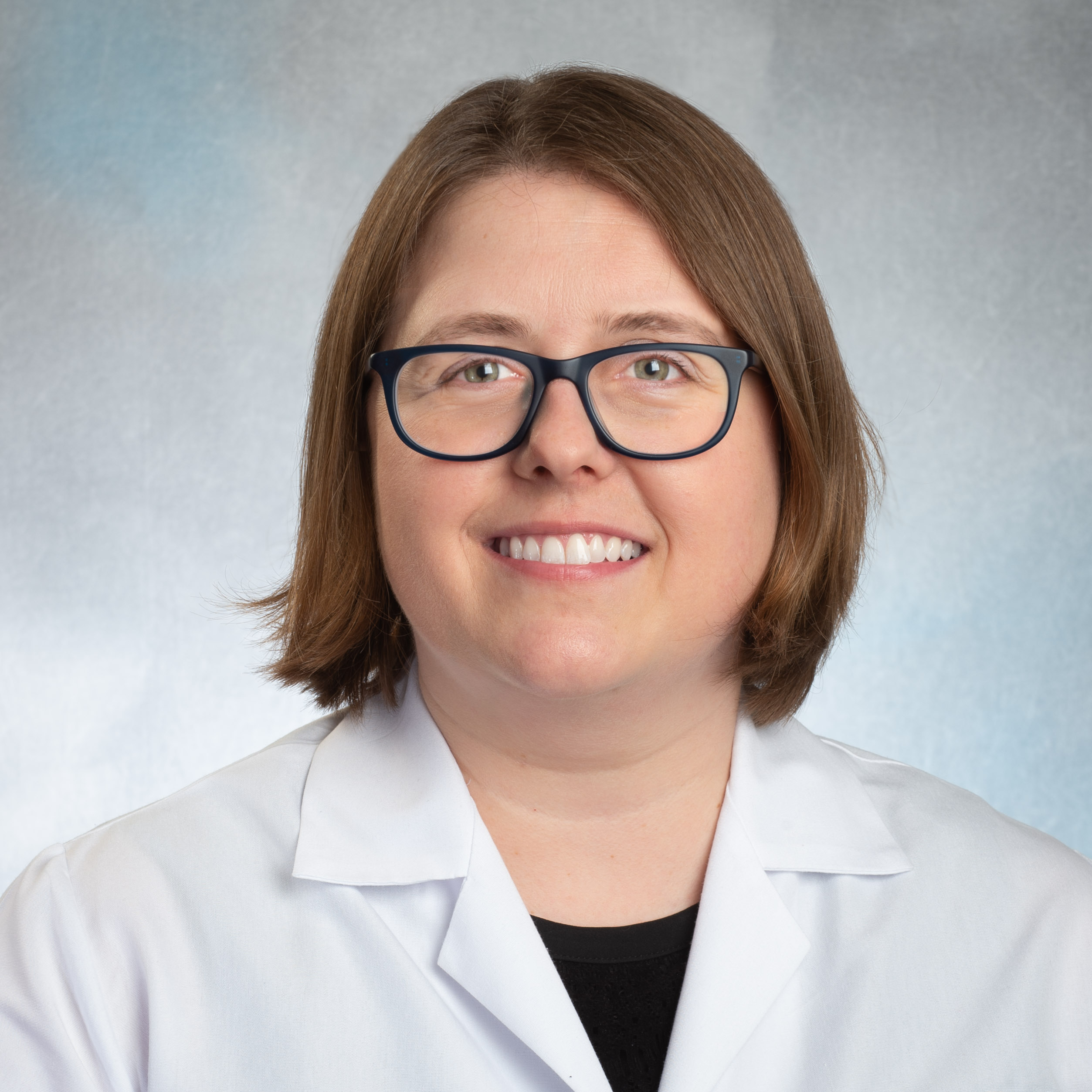
 Abby Olsen, MD PhD, Principal Investigator
My approach to mentoring is individualized, because different members of the lab are starting at different places in terms of their knowledge, experience, and cultural backgrounds. It is also graduated, recognizing that almost everyone will need more oversight initially but progress to more independence as their experience increases. To account for varying experiences and strengths, I make an individualized plan for each member of my lab that includes skill acquisition, scientific goals, and professional goals. We (the mentee and I) re-assess this plan every 6 months to see what progress has been made, identify any areas for improvement, and address any new issues that have arisen.
I have scheduled weekly meetings with all members of my lab, in which we discuss both science and career development. Career development issues can include networking, opportunities for grant writing and publishing, acquiring teaching experience, and searching for postdoctoral positions (in or outside of academia). I expect mentees to be prepared for these meetings, because in my own experience as a mentee, the relationship is the most rewarding when it is mentee-driven. I also expect all mentees to present their results both locally and at national meetings to develop their scientific communication skills and build professional networks. In addition to the individual meetings, there is a weekly meeting for the whole lab that alternates between a journal club and lab meeting. This is a time for the lab to come together to discuss any larger issues that are affecting more than one person.
I particularly value a diverse workforce that includes women, individuals from racial and ethnic groups under-represented in science and medicine, individuals with disabilities, individuals from rural and/or disadvantaged backgrounds, and members of the LGBTQ community. All are encouraged to inquire about positions in the lab.
 Olsen lab